
Ratification
Legal confirmation of an agent's act or consent to a treaty.

MarginalCost · CC BY-SA 4.0
Ratification is a principal's legal confirmation of an act of its agent. In international law, ratification is the process by which a state declares its consent to be bound to a treaty. The institution of ratification grants states the necessary time-frame to seek the required approval for the treaty on the domestic level and to enact the necessary legislation to give domestic effect to that treaty. The term applies to private contract law, international treaties, and constitutions in federal states such as the United States and Canada.
- field
- Law, International Relations
- known_for
- Legal confirmation of an agent's act; process for consent to be bound to a treaty
- applies_to
- Contract law, international treaties, constitutions, parliamentary procedure
Lore & Background
In contract law, ratification often arises when an agent attempts to bind a principal without authority, or when the principal authorizes an agent but reserves approval. For example, an employee not normally responsible for procuring supplies contracts on the employer's behalf; the employer may ratify or repudiate. In collective bargaining, a union authorizes negotiators, but the agreement is not binding until ratified by union members; if rejected, negotiations resume. In parliamentary procedure, a deliberative assembly may ratify action that was not validly taken, such as decisions made without a quorum, which become valid upon later ratification at a meeting with a quorum.
Reader's Guide
Ratification is a fundamental legal mechanism that bridges agency actions and binding commitments across multiple domains. In international law, it allows states to confirm their consent to treaties after domestic approval processes, ensuring that treaties are not entered into hastily. The process varies by country: in Australia, the executive may enter treaties without parliamentary approval, but most are tabled for scrutiny; in India, the President makes treaties on executive advice, but courts cannot enforce those incompatible with national law; Japan requires approval by both houses of the Diet, with a fallback procedure if the upper house delays; the United Kingdom follows a convention of parliamentary scrutiny without veto power, now codified in law; and the United States requires a two-thirds Senate vote for treaty ratification, with the President then ratifying. Ratification also applies to constitutional amendments in federations, such as India and the United States, where a percentage of state legislatures must approve certain changes. The concept ensures that agreements are legally binding only after proper authorization, preserving the balance between executive action and legislative or popular consent.
Did You Know?
- In contract law, an employer may ratify or repudiate a contract made by an employee without authority.
- In collective bargaining, a union agreement is void if union members do not ratify it.
- In Japan, if the House of Councilors rejects a treaty, the House of Representatives' approval can be regarded as the vote of the National Diet.
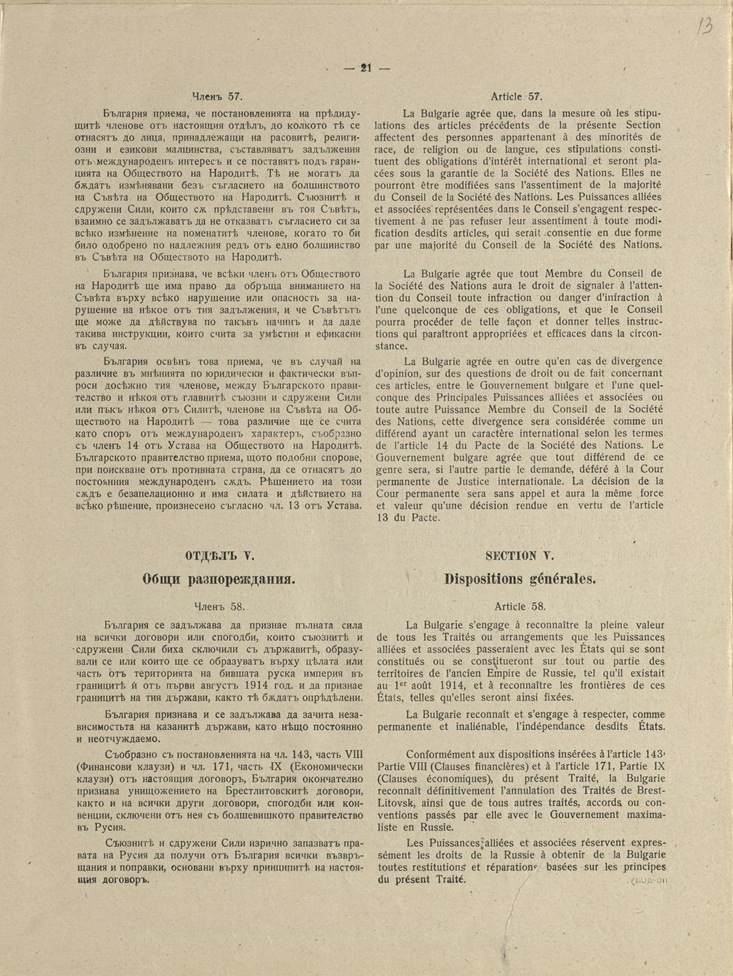
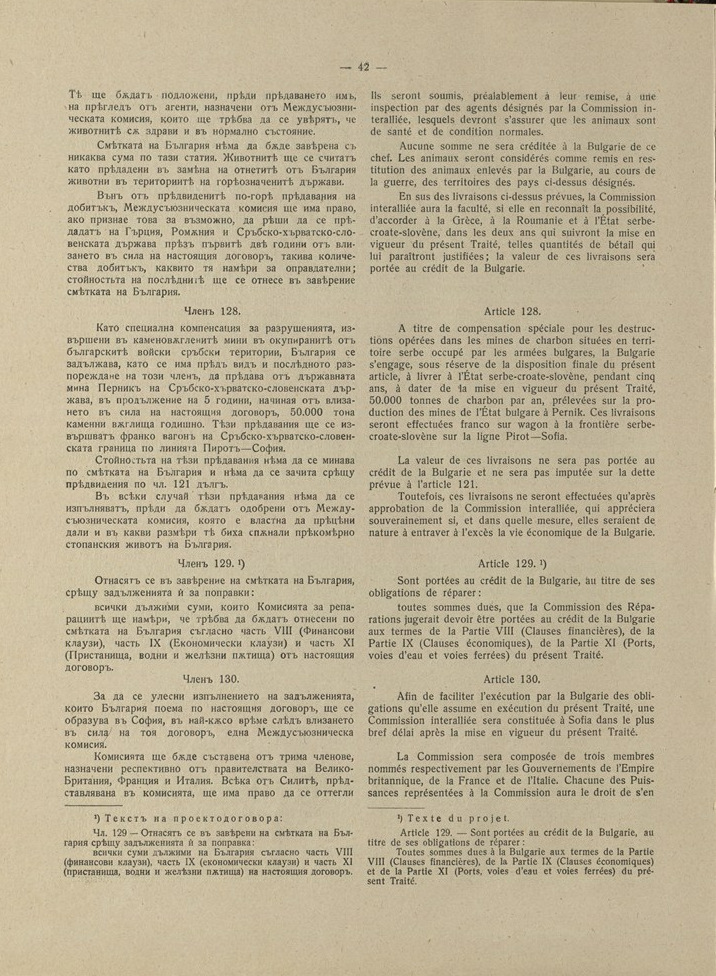
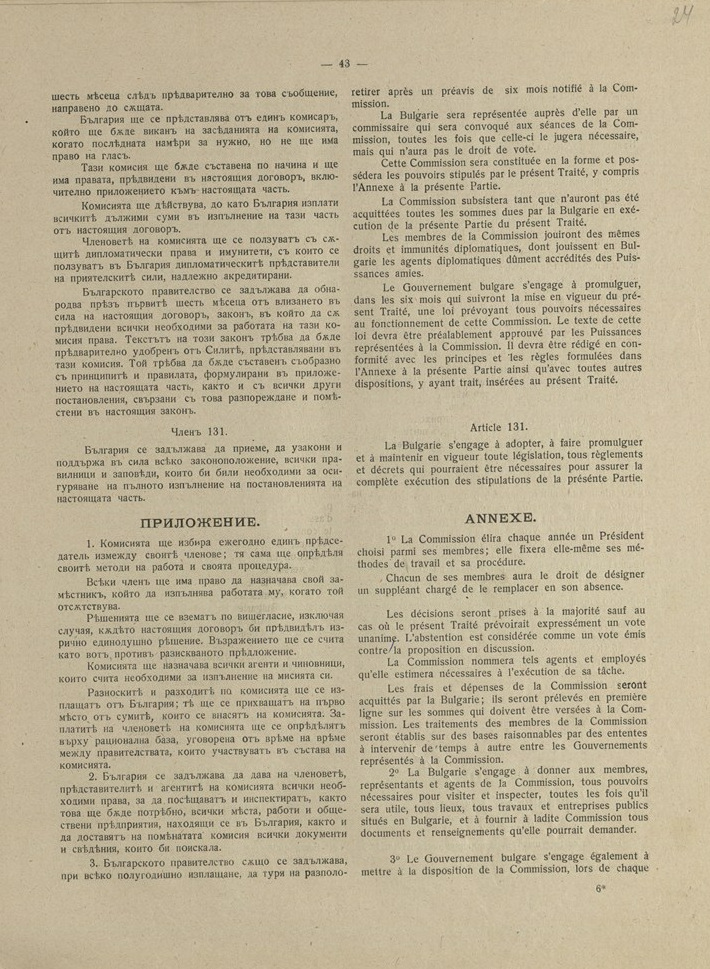
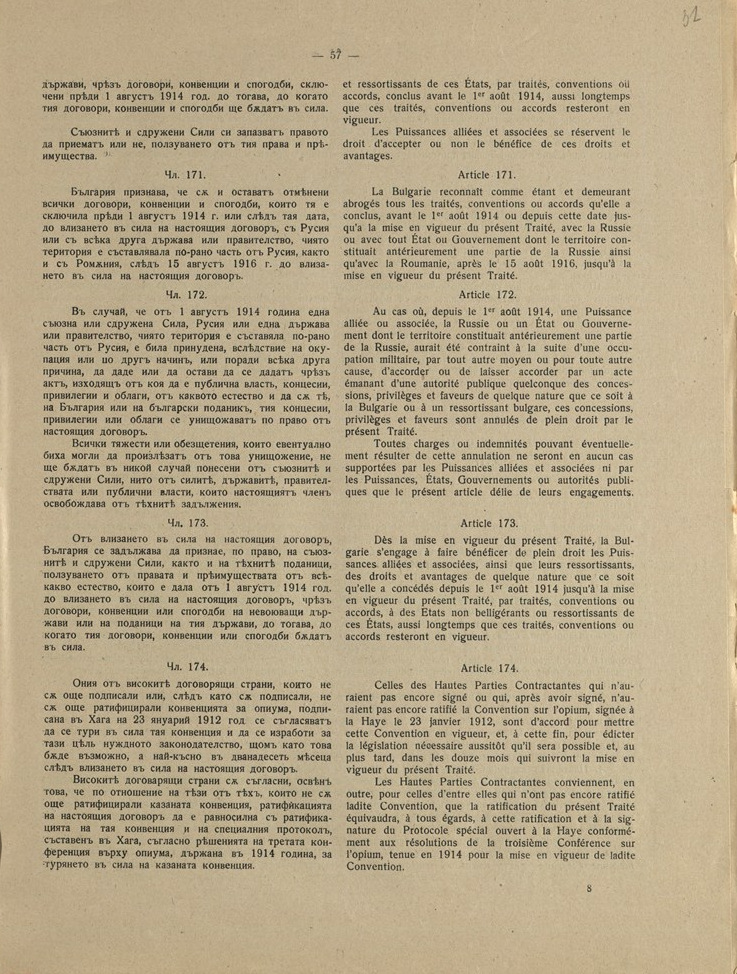
- The United States Senate did not advise and consent to ratification of the Treaty of Versailles.
Gallery


Frequently Asked Questions
What is Ratification in public law?
Ratification is the formal legal act by which a principal confirms and adopts something an agent has done on its behalf. In the treaty context, it is the moment a state declares its final consent to be legally bound by an international agreement.
What role does Ratification play in international relations?
It serves as the mechanism through which a state moves from merely signing a treaty to actually accepting its obligations under that treaty. Without ratification, a signed instrument does not yet create a binding legal duty for the state.
Why does Ratification matter for domestic governance?
The ratification step gives a government a defined window to obtain internal legislative approval and pass any implementing statutes needed to give the treaty effect within its own legal system. This protects the separation-of-powers structure in federal states such as the United States and Canada.
In which areas of law does the concept of Ratification appear?
It spans private contract law (a principal validating an agent's deal), international treaty law (state consent), constitutional and parliamentary procedure in federal systems, and general agency doctrine. The underlying logic—confirming a prior act to make it fully binding—stays consistent across all those fields.
How is Ratification different from simply signing a document?
Signing signals a party's willingness to proceed and opens the negotiation or approval process, but it does not by itself create a final legal obligation. Ratification is the subsequent, definitive act that locks in consent and makes the commitment enforceable.
More in Public Law 1-24
Elsewhere in the Public Law universe
Spotted an error? Know more?
This is a living reference — every entry is fact-audited, and reader corrections feed straight into our audit queue. Suggest an edit · See this site's audit record