
Public inquiry
Official government review of events with public hearings and evidence.

Yu Chu Chin · CC BY-SA 4.0
A public inquiry, also known as a tribunal of inquiry, government inquiry, or simply inquiry, is an official review of events or actions ordered by a government body, often by a parliamentary inquiry committee. In many common law countries, such as the United Kingdom, Ireland, Australia, and Canada, such an inquiry differs from a royal commission primarily in its legal or procedural basis, rather than in the public nature of its hearings or the specificity of its focus—both types can hold public hearings, accept evidence, and examine specific occurrences.
- field
- Government and legal investigations
- known_for
- Official review of events causing multiple deaths or public controversy
- typical_events
- Public transport crashes, mass murders
- output
- Written report with recommendations, made public after government review
Lore & Background
Typical events for a public inquiry are those that cause multiple deaths, such as public transport crashes or mass murders. Advocacy groups and opposition political parties often request inquiries for various issues, but the government typically accedes to only a fraction of these requests. The decision to appoint an inquiry depends on factors including the extent of media coverage, whether the relevant minister faces blame, and the cost and time involved.
Reader's Guide
Public inquiries serve as a mechanism for governments to review specific occurrences in a public forum, accepting written and oral evidence from interested parties. Their reports are delivered first to the government and soon made public, usually containing recommendations to improve government or management of public organisations. However, a 2016 study found that inquiry reports are not effective in changing public opinion regarding the event, and they appear to enjoy public trust only when critical of the government, losing credibility when they find no government fault. The political decision to appoint an inquiry is influenced by media coverage, potential ministerial blame, and cost considerations. In France, public inquiries are required for major projects involving compulsory acquisition of private property, with a favourable outcome leading to a déclaration d'utilité publique. In South Africa, historically important inquiries have examined national-scale events such as systematic human rights abuses during apartheid and wide-scale corruption.
Did You Know?
- A public inquiry differs from a royal commission primarily in its legal or procedural basis, not in the public nature of its hearings or the specificity of its focus.
- The political decision to appoint a public inquiry depends on media coverage, allegations of blame on the relevant minister, and cost and time considerations.
- In France, any major project requiring compulsory acquisition of private property must undergo a public inquiry before approval.
Definition and the Public Character of Proceedings
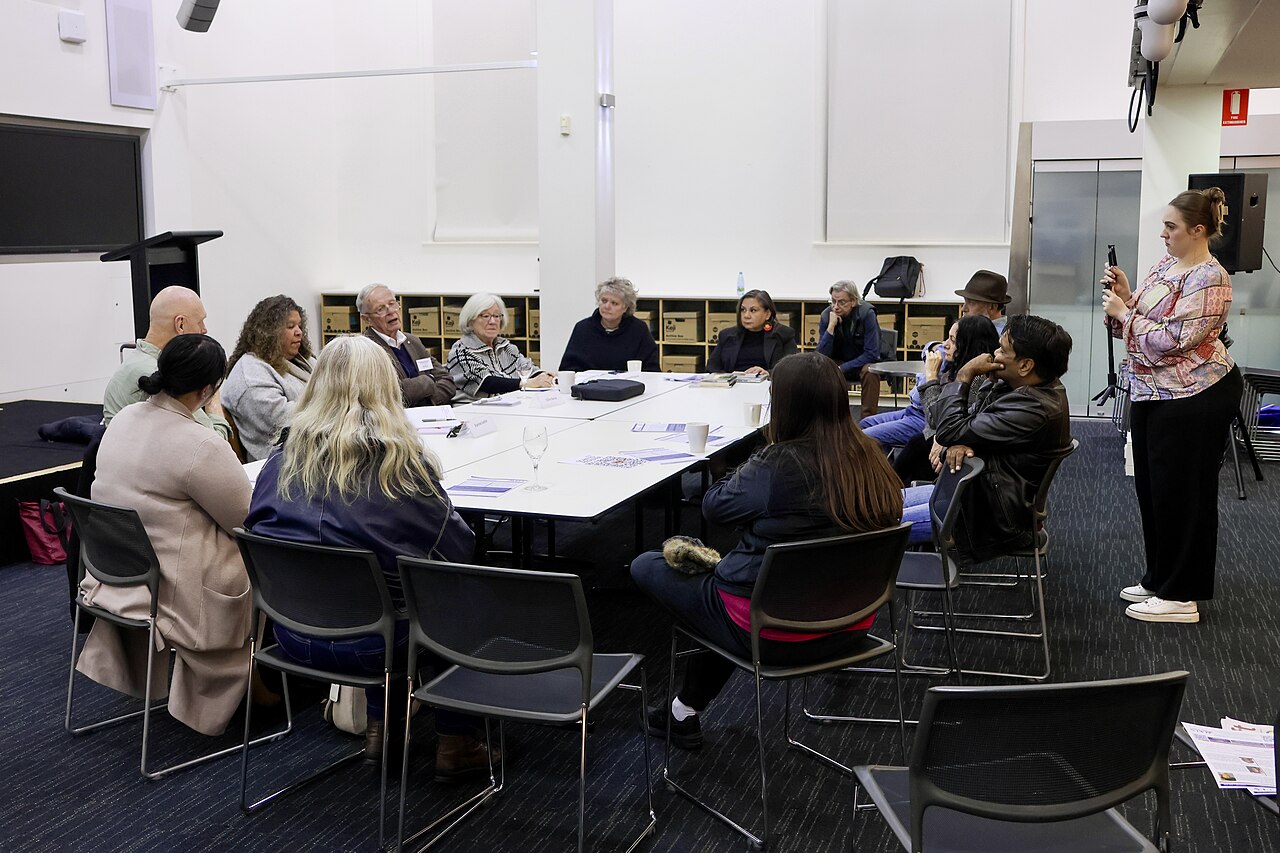
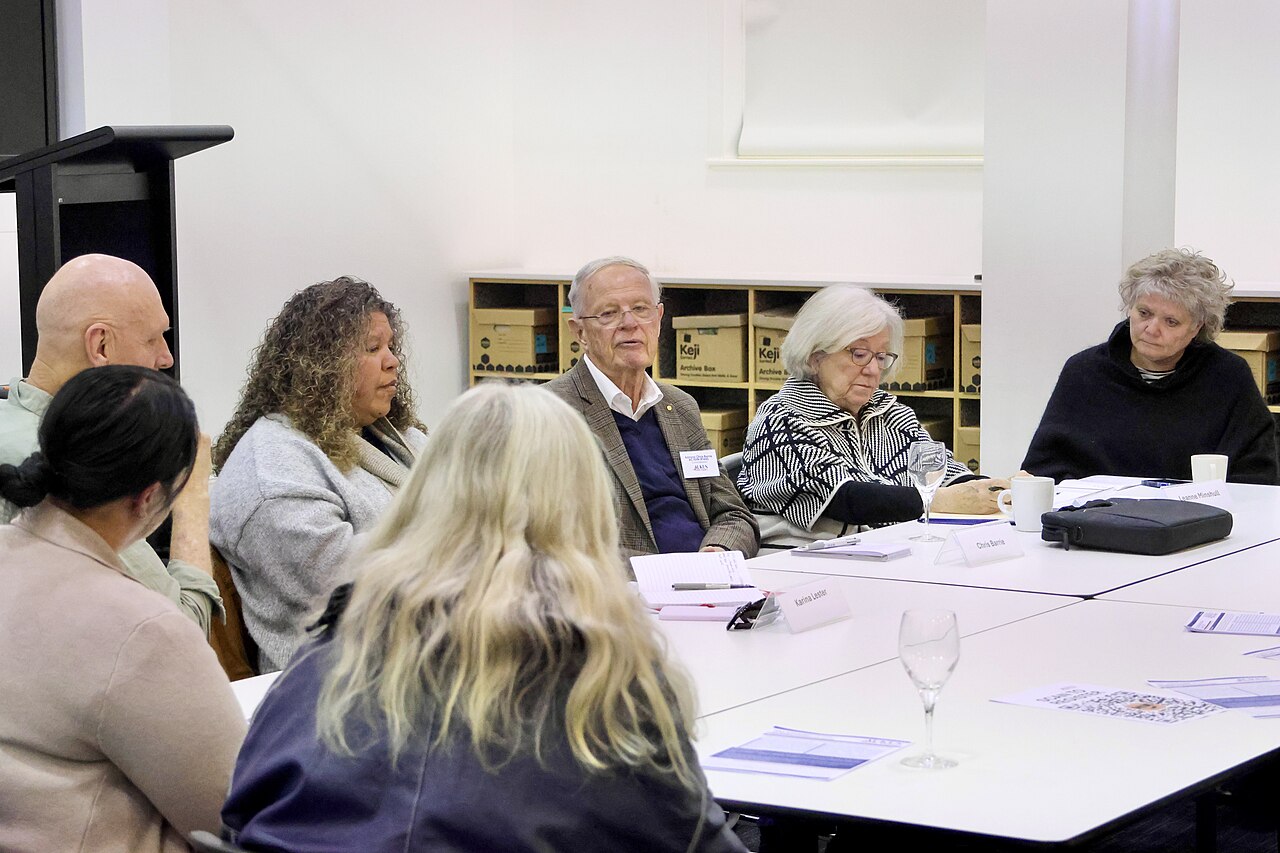
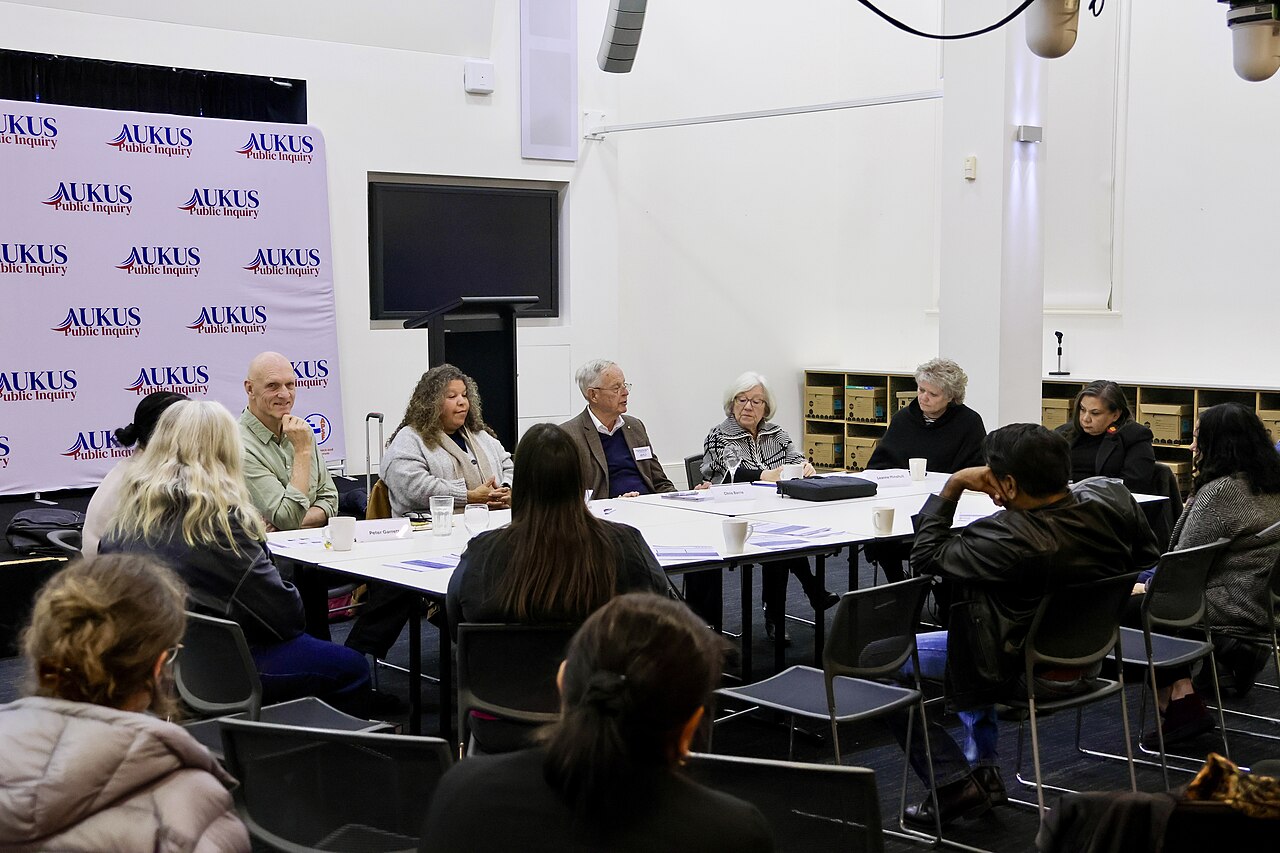
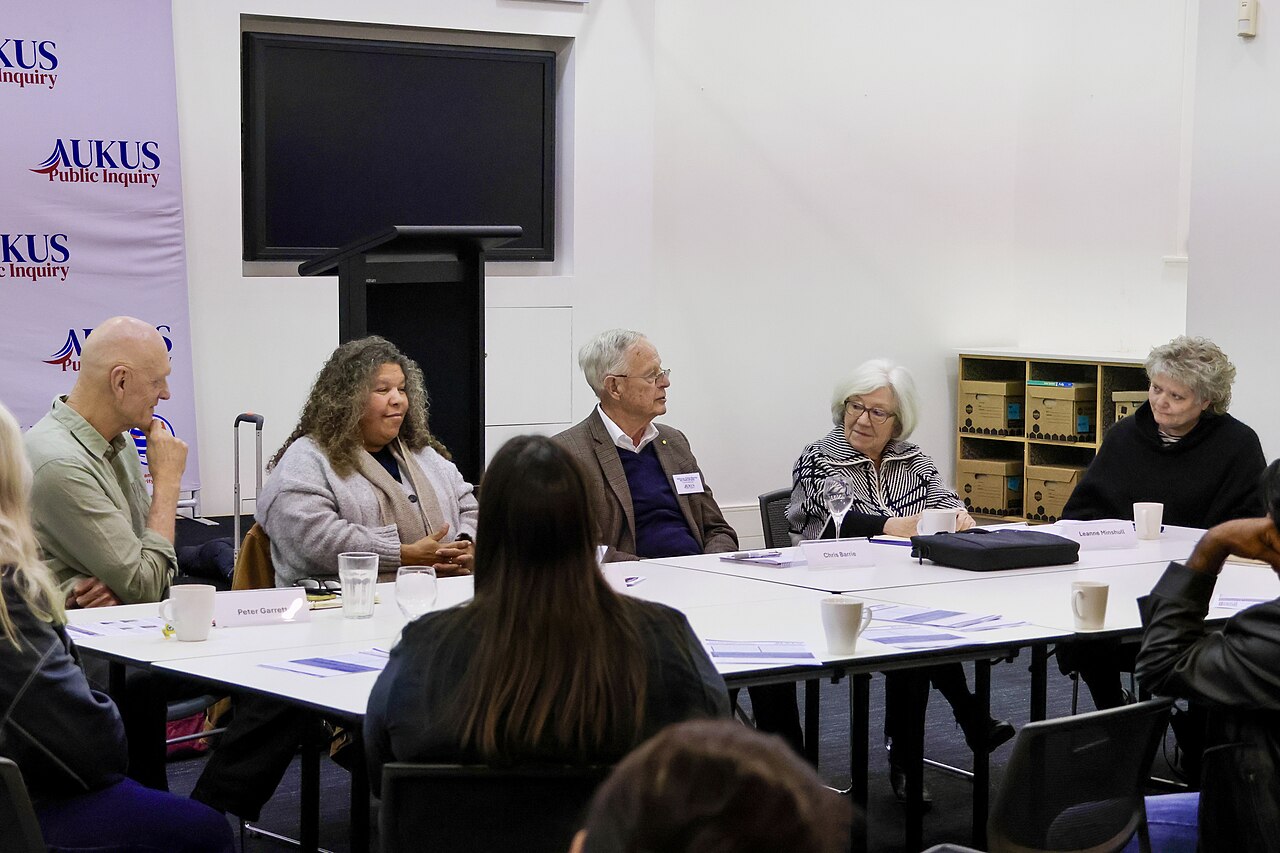
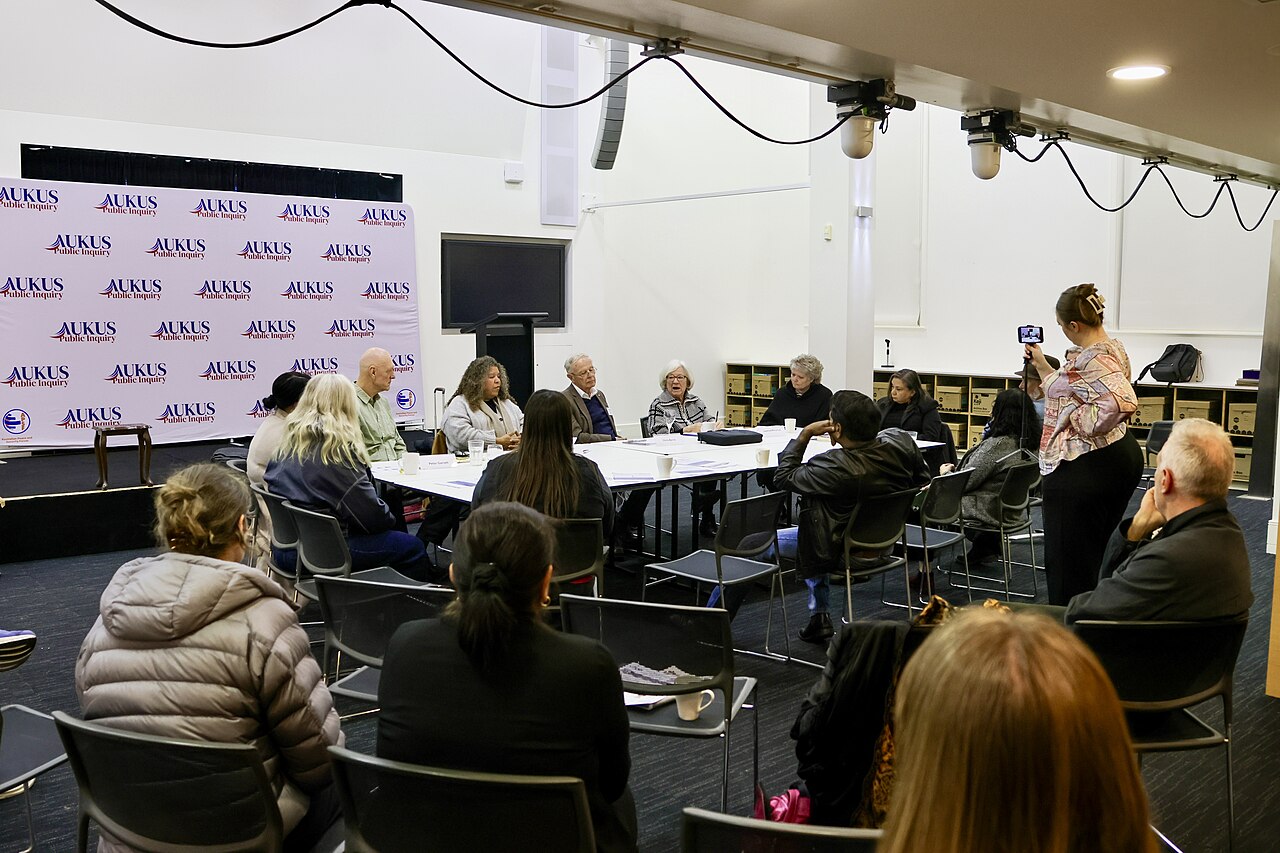
A public inquiry—sometimes called a tribunal of inquiry, government inquiry, or simply an inquiry—is an official review of events or actions commissioned by a government body, frequently through a parliamentary inquiry committee. In common law jurisdictions including the United Kingdom, Ireland, Australia, and Canada, this mechanism occupies a distinct niche compared to a royal commission. The key differentiator lies in transparency: a public inquiry accepts evidence and holds its hearings in a more open forum, and it typically zeroes in on a narrower, more specific occurrence. The public nature of the process means that interested citizens and organizations are not merely passive observers. They can submit written evidential contributions, which is standard practice across most inquiries, and they can also sit in and listen to the oral testimony offered by other parties. This openness is what sets the format apart from more closed governmental investigations and gives the process its character as a genuinely public exercise in accountability.
Political Gatekeeping and the Decision to Inquire
The decision to launch a public inquiry is far from a neutral administrative act. Advocacy groups and opposition political parties routinely call for inquiries into a wide range of issues, yet the sitting government typically agrees to only a small fraction of these requests. Research has identified several factors that shape this political calculus. First, the volume of media coverage surrounding an event matters considerably; incidents that attract greater press attention are more likely to trigger an inquiry. Second, because the appointment is usually made by government ministers, events that carry allegations of blame directed at the relevant minister are noticeably less likely to be investigated. Third, the practical realities of cost and duration play a role: a public inquiry generally takes longer to produce its final report and incurs higher expenses precisely because of its open, public character. When a government declines to appoint an inquiry, it typically cites at least one of these grounds. The typical subject matter involves events causing multiple deaths, such as public transport disasters or mass murders, though the political gatekeeping around the decision remains a defining feature of the process.
Reports, Public Trust, and Measurable Impact
The culmination of a public inquiry is a written report, which is first delivered to the government and subsequently made available to the public. These reports customarily include recommendations aimed at improving the quality of government operations or the management of public organizations going forward. However, the real-world impact of such findings is more nuanced than one might expect. A 2016 study concluded that public inquiry reports do not effectively shift public opinion about the event under investigation. Similarly, empirical research has found no support for the claim that the mere act of appointing an inquiry causes media attention to the issue to decline. Perhaps most striking is the finding regarding public trust: inquiry reports tend to be trusted by the public only when they are critical of the government. When a report exonerates the government and finds no fault on its part, the document tends to lose credibility in the eyes of the public. This pattern suggests that the perceived legitimacy of a public inquiry is closely tied to whether it is seen as holding power to account rather than serving as a rubber stamp.
International Variations and Notable Inquiries
Public inquiries take different forms across jurisdictions, reflecting local legal traditions and political needs. In France, the concept takes on a distinctly procedural character: any major project requiring the compulsory acquisition of private property must undergo a public inquiry before approval, usually conducted by the prefect of the relevant region or department. A favorable outcome produces a déclaration d'utilité publique, a formal determination that the project will yield public benefit. In Hong Kong, the Commissions of Inquiry Ordinance provides the legal framework for establishing such bodies.
Gallery

Frequently Asked Questions
What is a public inquiry?
A public inquiry is a formal, government-ordered review of specific events or actions, most often those involving multiple deaths or significant public controversy. It operates through open hearings where evidence is collected and witnesses are heard.
How does a public inquiry differ from a royal commission?
Both are government-ordered investigations, but a public inquiry typically targets a narrower, more specific occurrence and conducts its hearings in a more open, public setting. Royal commissions generally address broader subject areas.
What is the final output of a public inquiry?
The inquiry concludes with a written report containing findings and recommendations for change. That report is released to the public after it passes through a government review process.
Can ordinary citizens take part in a public inquiry?
Yes—interested members of the public and organizations are permitted to submit written evidential submissions. They may also attend and listen to the oral evidence presented by other parties during hearings.
Why are public inquiries important in common law countries?
They offer a transparent, evidence-based mechanism for examining high-profile tragedies such as transport disasters or mass-casualty incidents. By keeping the process open, they help reinforce institutional accountability and public trust.
More in Public Law 1-24
Elsewhere in the Public Law universe
Spotted an error? Know more?
This is a living reference — every entry is fact-audited, and reader corrections feed straight into our audit queue. Suggest an edit · See this site's audit record